Describe the Web-Request-Response-Cycle
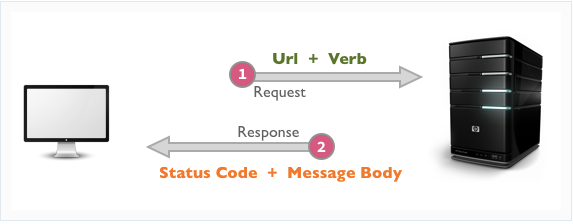
The request/response cycle traces how a user’s request flows through the app. Understanding the request/response cycle is helpful to figure out which files to edit when developing an app (and where to look when things aren’t working)
Explain what a “server” is, as it relates to the WRRC
-
the client (usually a browser) opens a connection to the server and sends a request.
-
The server processes the request, generates a response, and closes the connection if it finds a Connection: Close header.
-
The request consists of a line indicating a method such as GET or POST, a Uniform Resource Identifier (URI) indicating which resource is being requested, and an HTTP protocol version separated by spaces.
-
This is normally followed by a number of headers, a blank line indicating the end of the headers, and sometimes body data. Headers may provide various information about the request or the client body data. Headers are typically only sent for POST and PUT methods.
-
The example request shown below would be sent by a Netscape browser to request the server foo.com to send back the resource in /index.html. In this example, no body data is sent because the method is GET (the point of the request is to get some data, not to send it).
What does it mean to “deploy” an application?
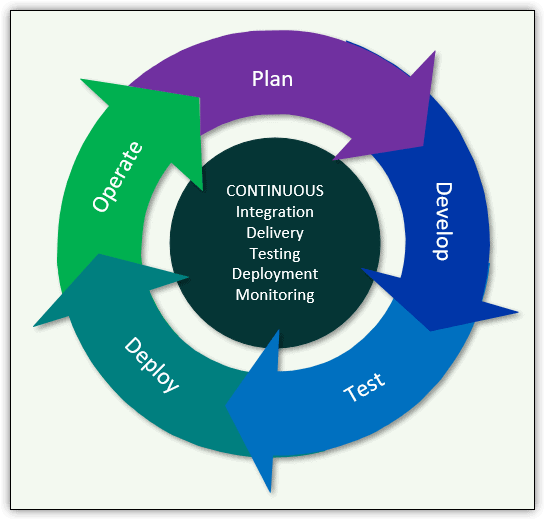
Application Deployment (also referred to as Software Deployment) is the process of installing, configuring, and enabling a specific application or set of applications, usually through an application manager (app manager) or software management system, to a specific URL on a server.
| Term | Definition |
|---|---|
| Server | A server is a computer or system that provides resources, data, services, or programs to other computers, known as clients, over a network. In theory, whenever computers share resources with client machines they are considered servers. |
| Pub/Sub | Pub/Sub enables you to create systems of event producers and consumers, called publishers and subscribers. Publishers communicate with subscribers asynchronously by broadcasting events, rather than by synchronous remote procedure calls (RPCs). |
| WRRC | Web Request Response Cycle : The web is a cycle of requests and responses that flow between clients and servers |